


Collections
-

Gratin & Roasting Collection
Elegant copper oven-to-table pieces for roasting, baking, and presentation. Our collection includes...
-

NKC Saucepans & Lids
Build your perfect Normandy Kitchen Copper saucepan collection. Our handcrafted tin-lined copper...
-

NKC Copper Sautés Frying Pans and Skillets
FREE SHIPPING WORLDWIDE The brand new copper of our NKC Copper pots...
-

Vintage and Antique Collection
Rare antique and vintage French copper cookware for collectors and connoisseurs. Each...
-

Jam Making Essentials
Everything you need for traditional French jam and preserve making. Our handcrafted...
-

NKC Canelé Baker's Collection
Authentic French copper canelé molds and baking essentials from Bordeaux. Create perfect...


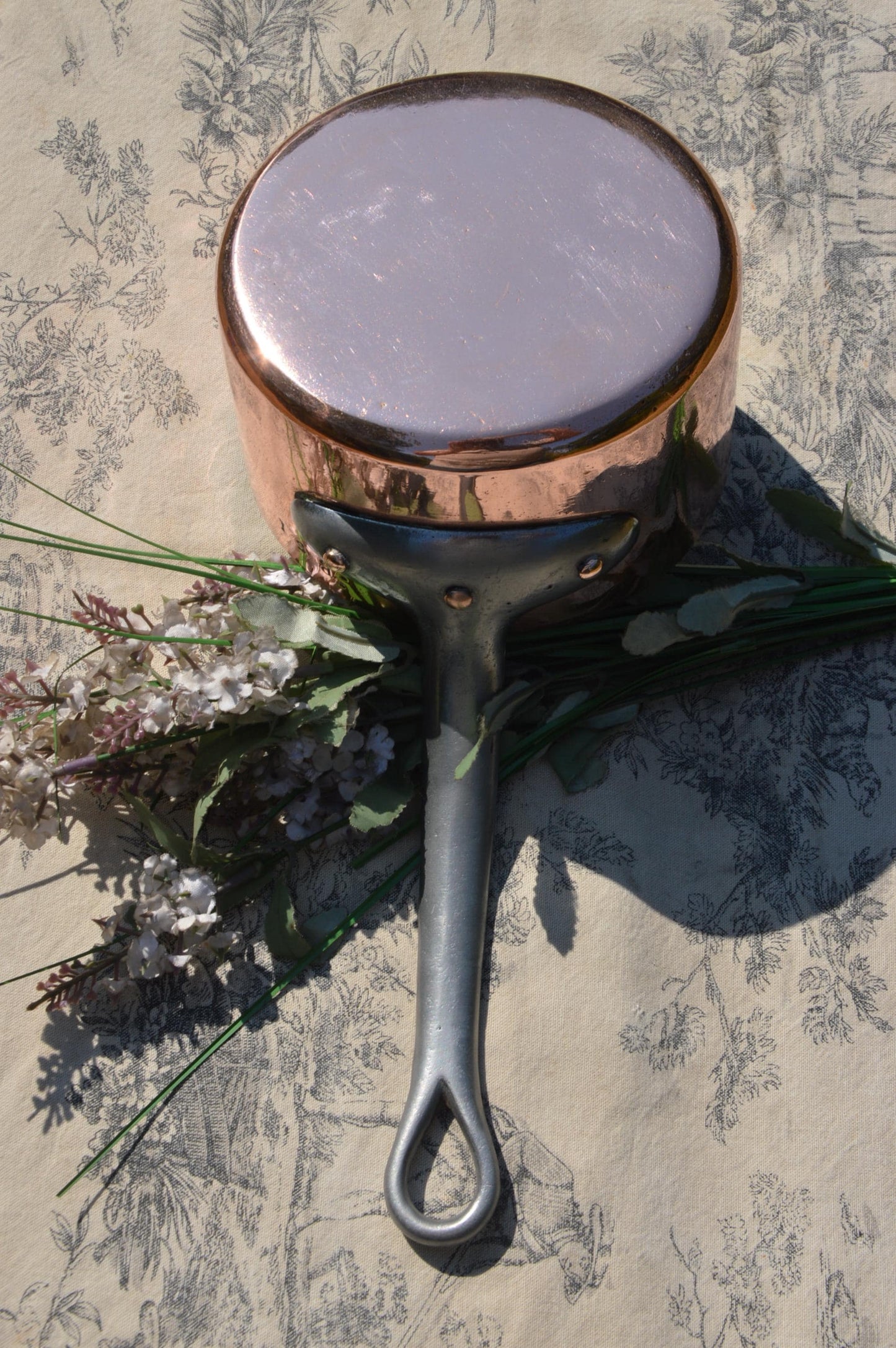


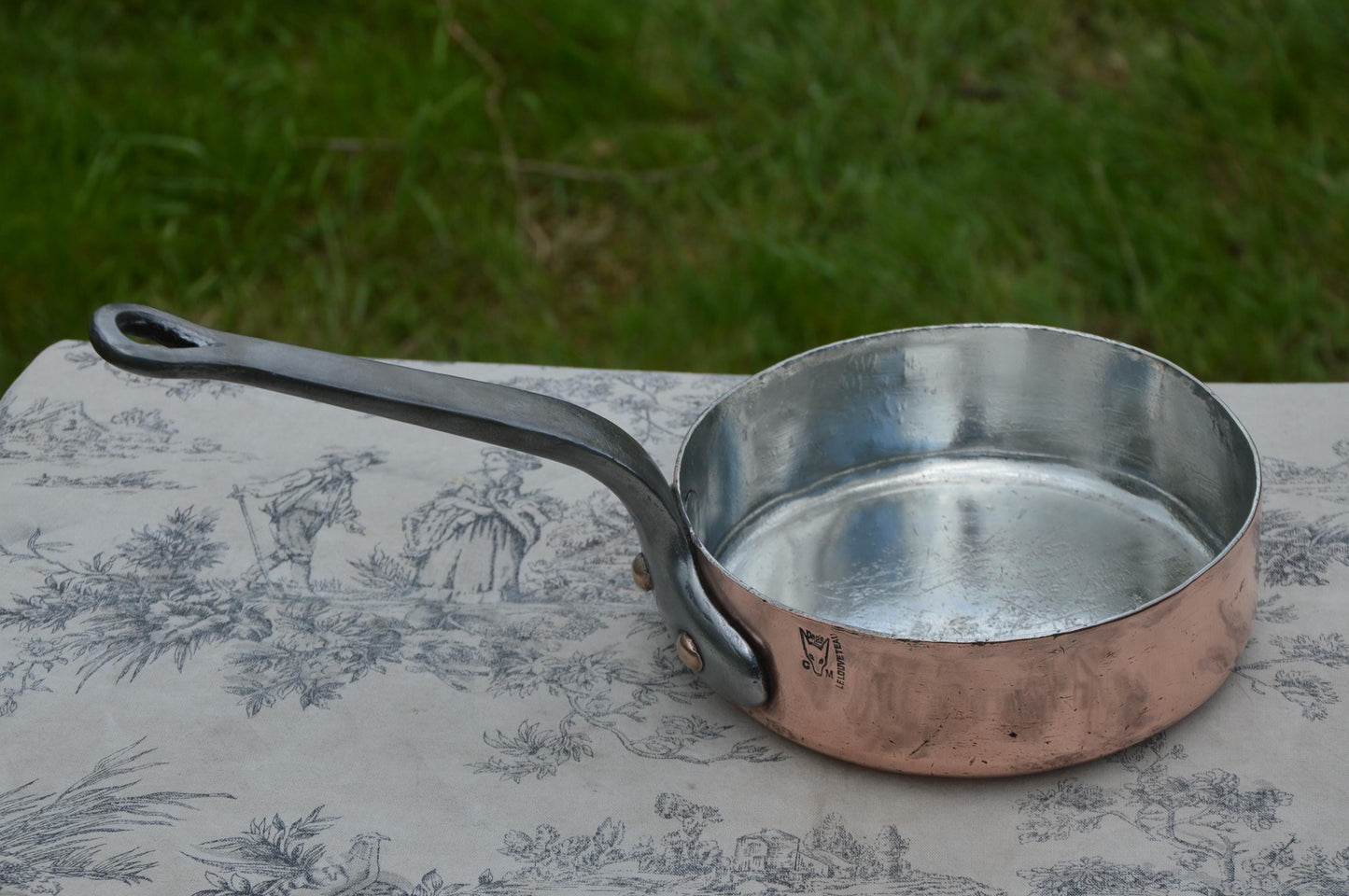


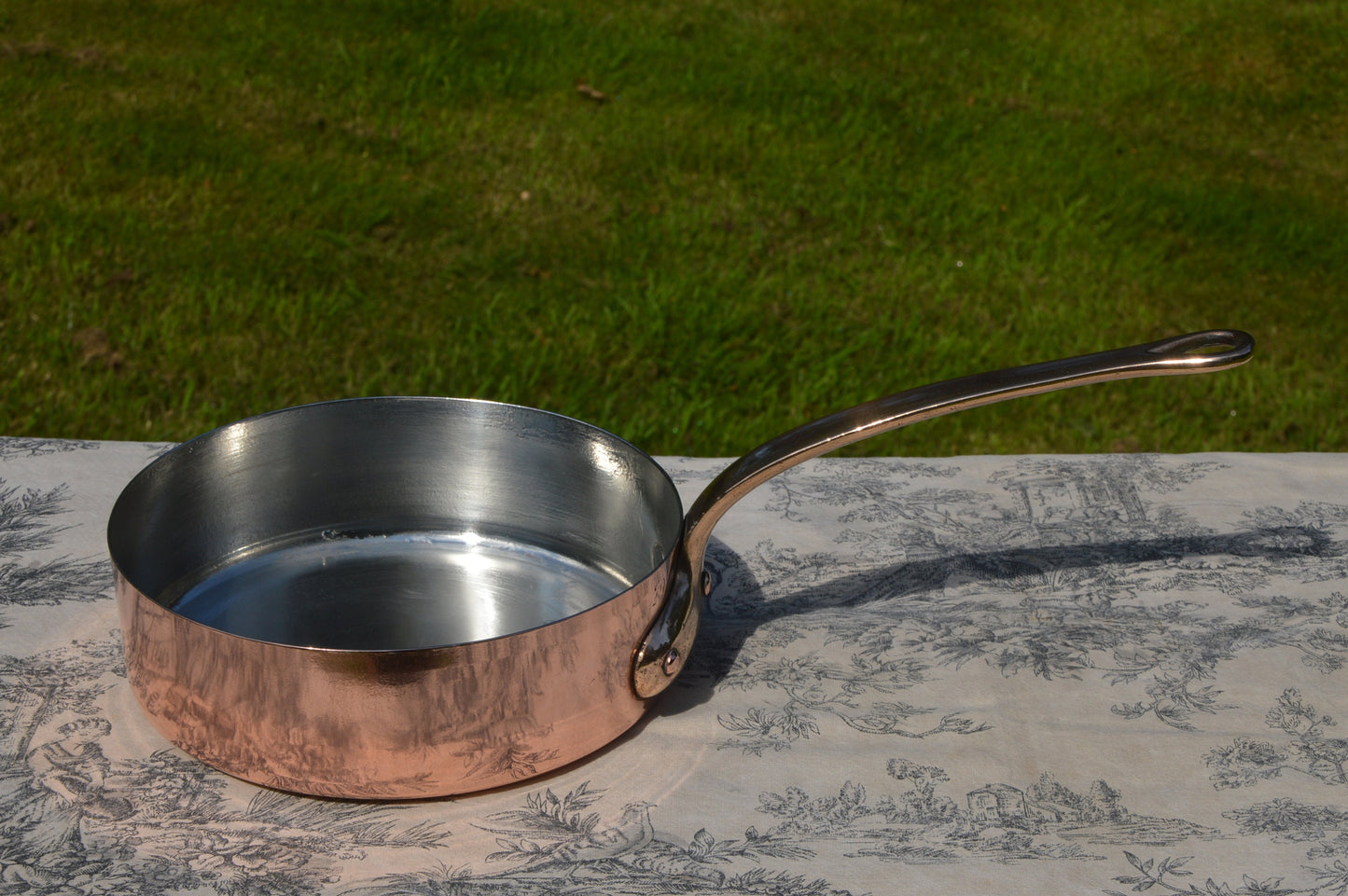


Normandy Kitchen Copper: Buying and using tin lined copper pans - the good the bad and the ugly!

From the journal
Made to be passed down

Discover the enduring character of French copper: considered craftsmanship, honest materials and pieces made for a lifetime in the kitchen.
Give your copper pots a new lease on life with our tinning and polishing service: https://www.normandykitchencopper.com/uteq4
What is re-tinning?
Re-tinning replaces the worn tin lining inside copper cookware. The old lining is prepared and a fresh layer of tin is applied, giving a much-loved pan a new cooking surface.
How do I know if my pan needs re-tinning?
Visible copper showing through the cooking surface is a sign that the lining needs attention. Darkening alone is normal and doesn’t necessarily mean the tin needs replacing. If you’re unsure, send us clear photographs of the inside.
Can any copper pan be re-tinned?
Many traditionally tin-lined copper pans can be re-tinned, but suitability depends on their construction and condition. Stainless-steel-lined pans generally aren’t suitable for this process. Photographs help us assess your piece before you send it.
How much does re-tinning cost?
The cost depends on the pan’s size and condition. Contact us with photographs and dimensions so we can assess the work and provide a quote. https://www.normandykitchencopper.com/uteq4
How do I arrange to send my cookware?
Please contact us before sending your cookware so we can confirm suitability and the delivery arrangements. Once agreed, pack each piece securely, with plenty of cushioning and extra protection around handles.
How do I care for my newly tinned pan?
Use low to medium heat and never heat the pan empty. Choose wooden or silicone utensils, wash by hand with a soft sponge, and avoid abrasive cleaners and the dishwasher. Tin naturally darkens with use; this is normal.